Single vs Duplex Sprockets Key Differences
Single vs. Duplex Sprockets: Key Differences
Single and duplex sprockets are common transmission components, differing mainly in structure, load capacity and application scenarios.
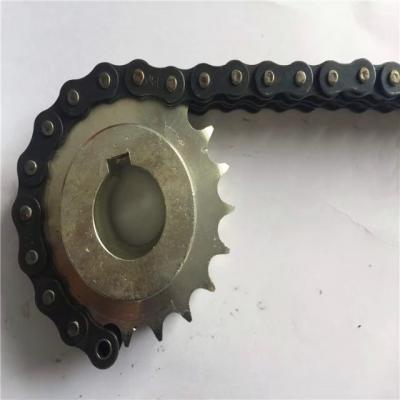
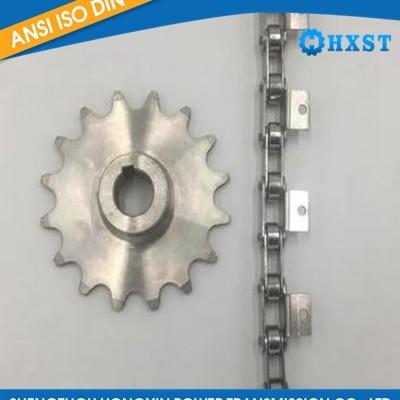
A single sprocket has only one row of teeth, matching single-row chains. It features a simple structure, light weight and low cost, suitable for light-load, low-speed and small-space equipment.
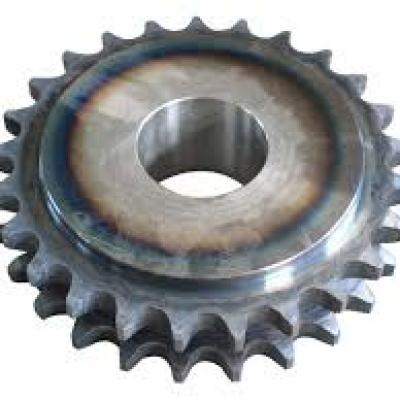
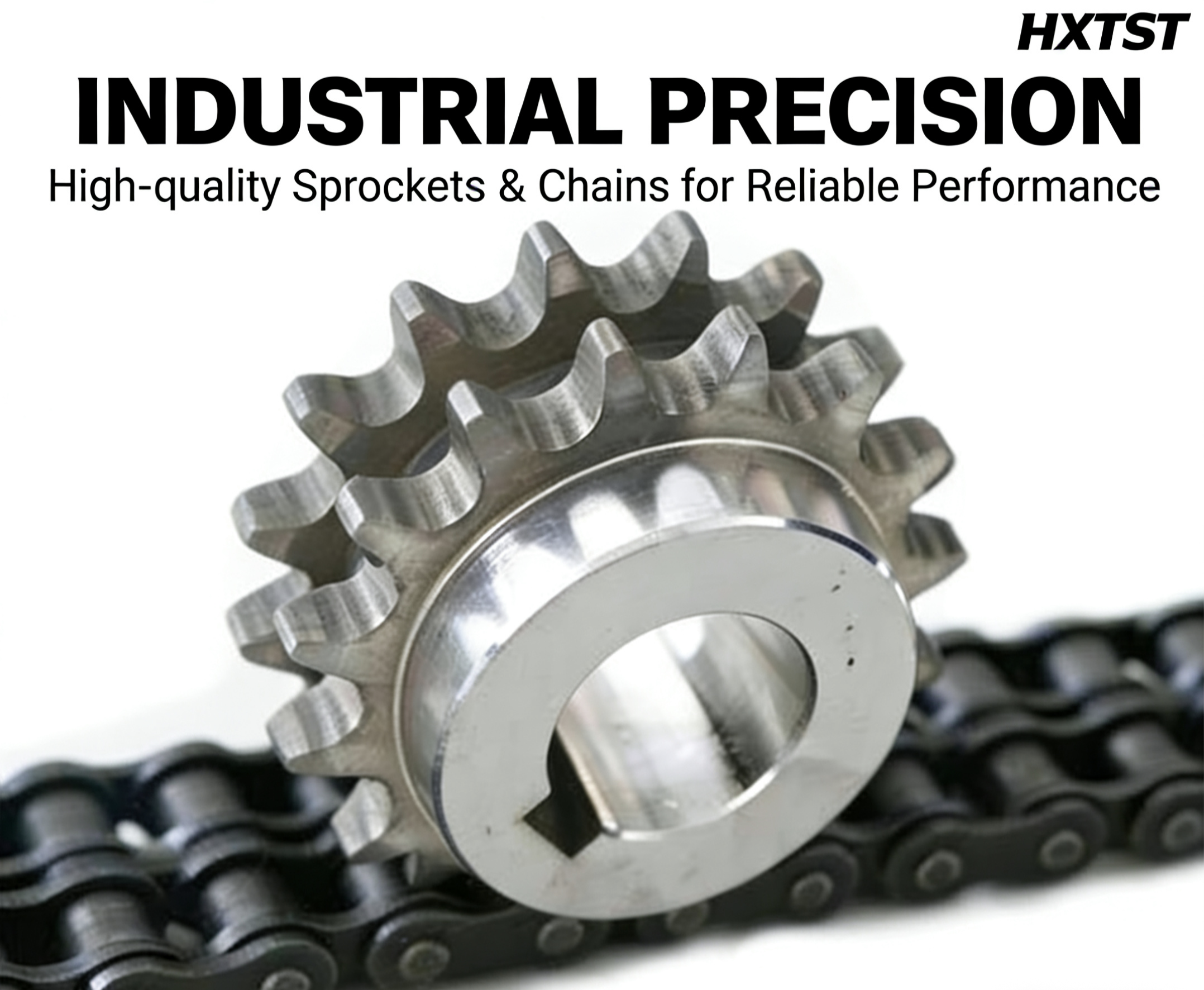
A duplex sprocket is designed with two parallel tooth rows, paired with double-row chains. It has stronger load-bearing capacity, higher transmission stability and better wear resistance, effectively dispersing pressure and extending service life.
In terms of application, single sprockets are widely used in bicycles, small motors and household machinery. Duplex sprockets are applied to heavy-duty equipment such as industrial conveyors, agricultural machinery and automotive systems, adapting to high-load and continuous working conditions.
Overall, single sprockets prioritize economy and compactness, while duplex sprockets focus on durability and heavy-load performance.