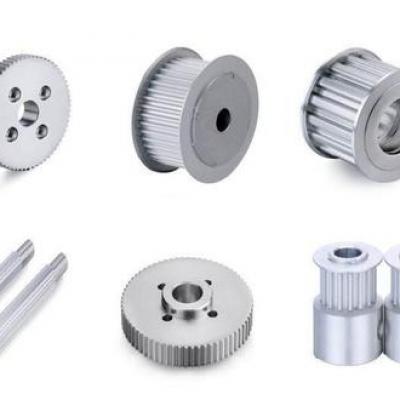
The difference between V-shaped pulley and other pulleys
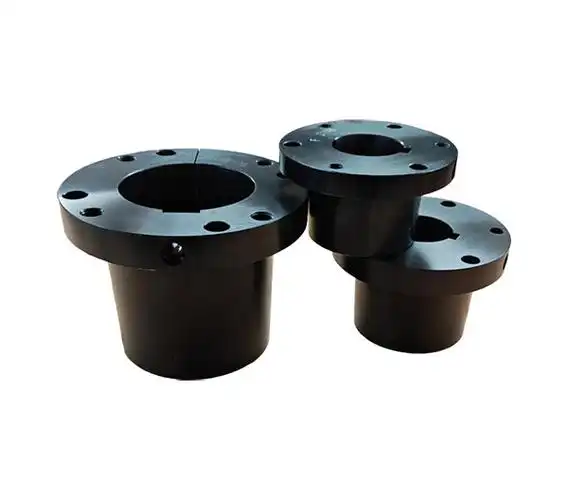
The main difference between the V-shaped pulley and other pulleys is its unique V-shaped groove design, which enables close contact between the belt and the pulley, thereby improving transmission efficiency, reducing wear, and extending service life2. Here are some specific differences between V-pulleys and other types of pulleys:Classification of V-shaped pulleys: V-shaped pulleys are divided according to the groove structure, and are divided into national standards, American standards and European standards. National standard pulleys can be divided into O type, A type, B type, C type, D type, and E type; American standard pulley models can be divided into 3V type, 5V type, and 8V type; European standard taper sleeve pulleys can be divided into SPZ type, SPA type, SPB type, and SPC type 13.
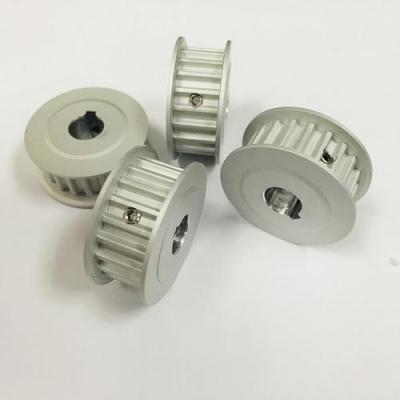
Material and performance: The new aluminum alloy V-shaped pulley is popular for its lightness and high strength. Compared with traditional iron or steel pulleys, the aluminum alloy material not only reduces the overall weight of the equipment, but also has excellent corrosion resistance2.
Application scenarios: V-shaped pulleys are widely used in industrial transmission systems, especially in spindle motor models. Through reasonable selection and configuration of pulleys, effective distribution and adjustment of motor output power can be achieved2.
Installation and maintenance: The installation method of the V-shaped pulley is crucial to ensure the stability and reliability of the transmission system. In addition, regular inspection and maintenance are integral to keeping the system operating efficiently2.
To sum up, the V-shaped pulley stands out among many transmission solutions with its unique design and performance characteristics, and is suitable for a variety of industrial application scenarios.