While "Type G" steel bearings do not have a universally recognized or standardized description in my current knowledge base, I can provide you with a general description of steel bearings.
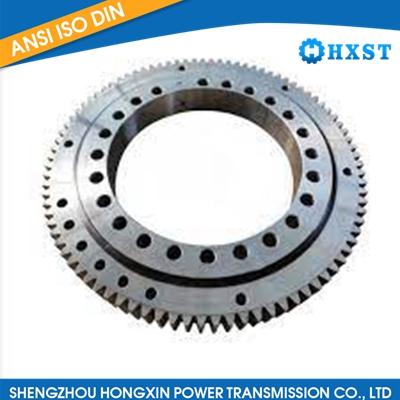
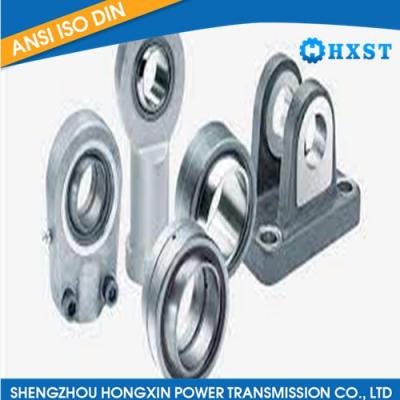
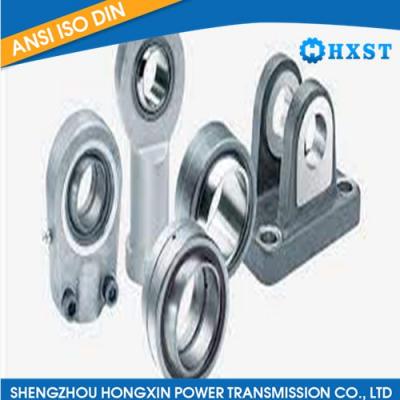
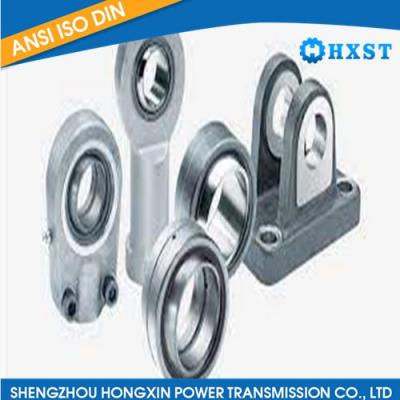
Steel bearings are mechanical components used to reduce friction between moving parts and support loads in various applications. They typically consist of an outer race (outer ring), inner race (inner ring), rolling elements (balls or rollers), and often a cage to maintain proper spacing and alignment of the rolling elements.
Steel bearings are commonly made from high-quality steel alloys such as chrome steel (often referred to as 52100 steel) or stainless steel. These materials offer excellent hardness, durability, and resistance to wear and corrosion.
The design and specifications of steel bearings can vary depending on the specific application requirements. Factors such as load capacity, rotational speed, temperature range, lubrication needs, and environmental conditions all influence the selection of steel bearings.
Steel bearings are widely used across industries including automotive, aerospace, industrial machinery, electric motors, and more. They provide reliable and efficient operation, allowing for smooth motion, reduced friction, and extended service life.